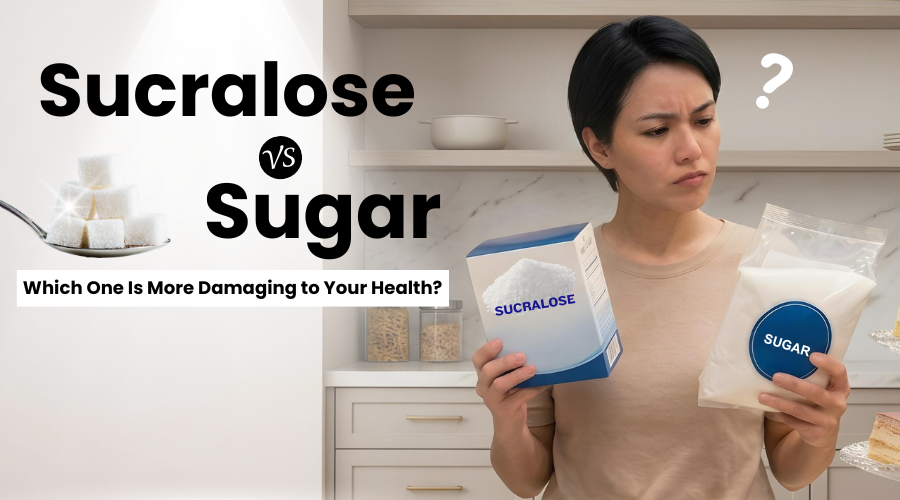
Sucralose vs Sugar
If you’ve ever picked up a “0 calorie” drink and thought, “This has to be better than sugar,” this article might make you think twice. Because the truth is, both have their own dark sides — and the more accurate question isn’t “Which one is worse?” but rather “In what way is each one bad for your body?”
What Is Sucralose?
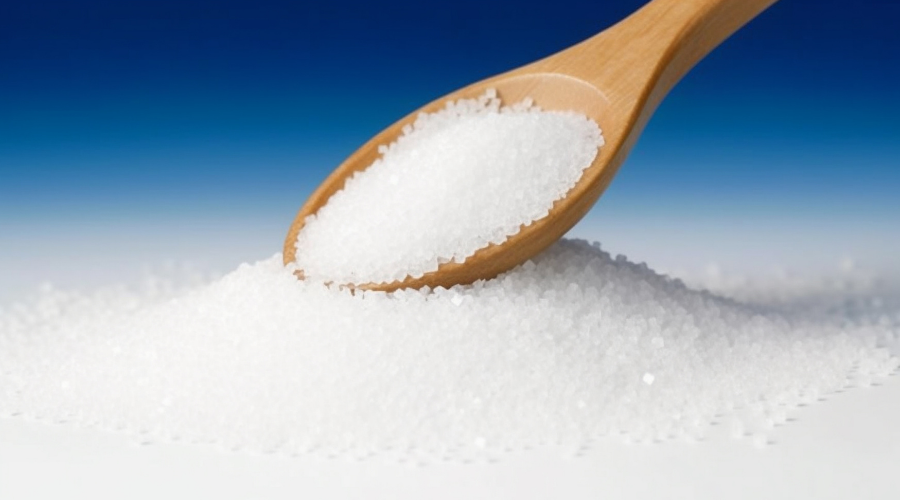
Sucralose is a synthetic sweetener that is 600 times sweeter than regular sugar, yet contains almost zero calories because the body absorbs very little of it. You’ll find it under the name “Splenda,” or listed as an ingredient in:
- Coke Zero / Pepsi Max
- Low-sugar green teas
- Many low-fat yogurt brands
- “Healthy” snacks and baked goods
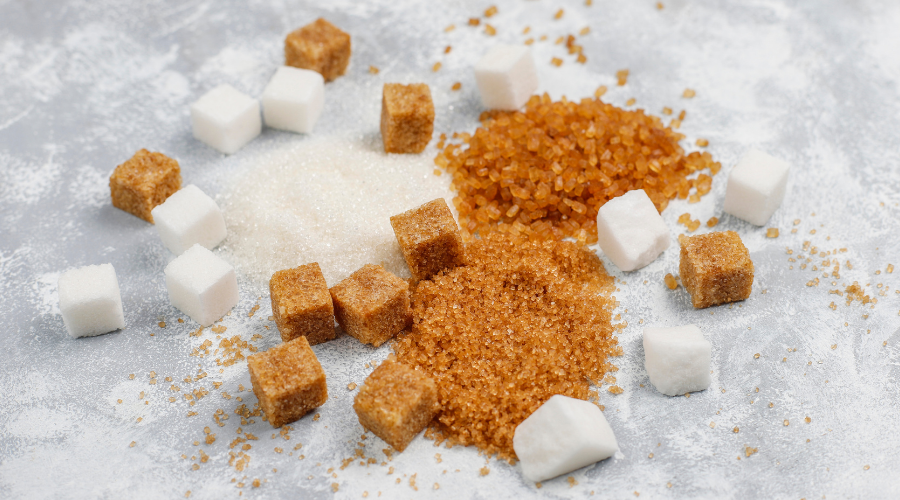
Sugar… The Enemy We Know Well
Table sugar (sucrose) is broken down by the body into glucose and fructose, which enter the bloodstream rapidly.
Well-known downsides:
- Insulin spikes → increased risk of Type 2 diabetes
- Stored as fat, especially in the liver (fructose is the culprit)
- Causes chronic inflammation
- Tooth decay
- Stimulates the brain’s reward center, creating sugar “addiction”
Recommended intake: No more than 25g/day (about 6 teaspoons) — but the average Thai person consumes 50–80g/day.
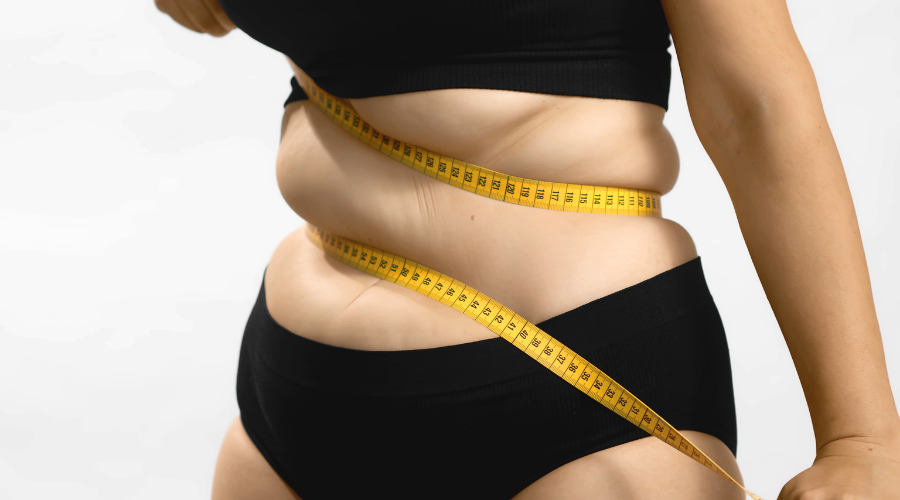
Sucralose: "Safe" — But That Doesn't Mean Side-Effect-Free
This is where many people get it wrong. While global organizations like the FDA and EFSA confirm that “Sucralose” is safe for consumption, researchers are discovering that “safe ≠ no side effects.”
- Quietly disrupting gut bacteria Sucralose significantly reduces beneficial gut bacteria (Lactobacillus, Bifidobacterium). An imbalanced gut (gut dysbiosis) is linked to:
- Weakened immunity
- Mood swings (because the gut and brain are in constant communication)
- Obesity and diabetes (the same old cycle!)
- Hidden insulin resistance This is the most concerning finding. A 2022 study published in Cell Metabolism, conducted on humans, found that people who had never consumed sweeteners showed worsened insulin response within just 2 weeks of regularly consuming sucralose.
Sounds contradictory to what the ads claim, right?
The explanation scientists propose: the brain signals the body to prepare for incoming sugar (because it detects sweetness), but the sugar never arrives → the system is thrown off balance → when real sugar comes later, the body handles it less effectively.
- Cancer: The data is still tangled In 2023, an Italian cancer research institute published a study finding a link between high sucralose consumption and blood cancer (leukemia) in laboratory mice.
However, a word of caution: this study used mice, not humans, and the doses used were far higher than what people consume in real life. Research in humans is still ongoing — no conclusions can yet be drawn.
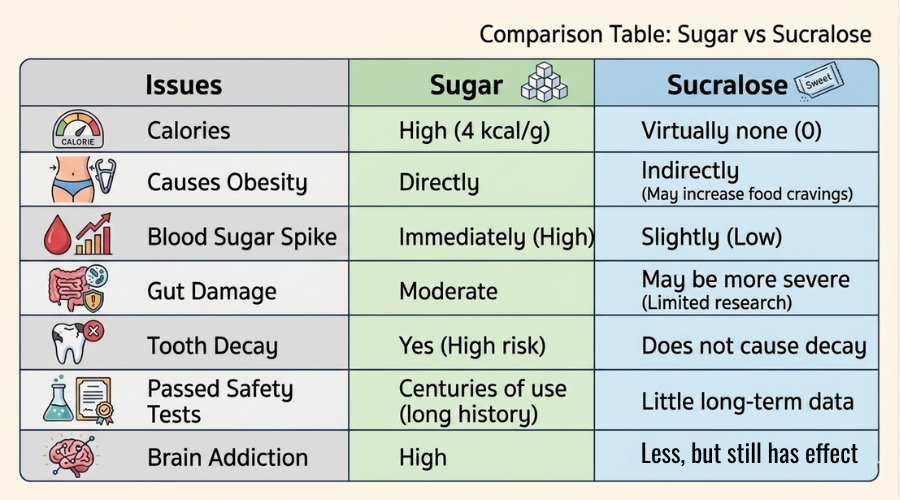
Comparison Table: Sugar vs Sucralose
So Which One Is Actually “Worse”?
The honest answer is: it depends on you.
Sugar is worse if you…
- Have diabetes or are at high risk
- Struggle with being overweight
- Consume it in large amounts on a regular basis
Sucralose is more concerning if you…
- Have gut issues or IBS
- Notice your weight isn’t dropping even after cutting out sugar
- Have been consuming artificial sweeteners every day for many years
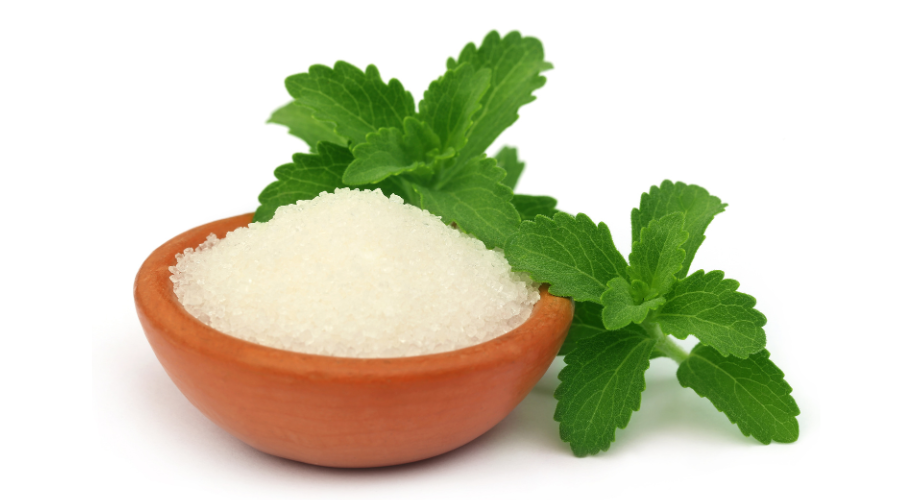
If you don’t want to choose between two options that both have drawbacks, here are some more appealing alternatives.
🌿 Stevia
Derived from plants and extensively studied for safety. Contains no calories and appears to have less impact on gut health, though it may have a slightly bitter aftertaste.
🍯 Raw Honey
Contains calories but also provides antioxidants. It is digested more slowly than refined sugar, making it suitable when used in small amounts.
🍎 Fresh Fruit
Provides natural sweetness along with fiber, which helps slow down sugar absorption.
Frequently Asked Questions (FAQ)
Q: Can sucralose cause weight gain?
A: Not directly – but through indirect mechanisms (stimulating hunger, contributing to insulin resistance), it may hinder weight loss.
Q: Is consuming a small amount of sucralose daily harmful?
A: Within the amount set by the FDA (ADI = 5 mg/kg body weight/day), it is considered safe. However, the long-term effects of daily consumption over an extended period are still unclear.
Q: Can pregnant women consume sucralose?
A: Some research has found that sucralose can cross the placenta. It is recommended to consult a doctor and avoid it if not necessary.
Q: What is the difference between sucralose and stevia?
A: Stevia is naturally derived, has more long-term safety evidence, and appears to have less impact on the microbiome – though it does have a distinct bitter aftertaste.