If you're a food or beverage manufacturer, there's one question you simply can't avoid
“Which sweetener should I use? How are they different from one another? And which one is the right fit for our formula?”
And if you’re a health-conscious consumer, you’ve probably flipped over a label and come across strange names like “acesulfame-K” or “maltitol” with no idea what they actually are.
This article will answer all of those questions… completely, in one place.
What Are Sugar Substitutes?
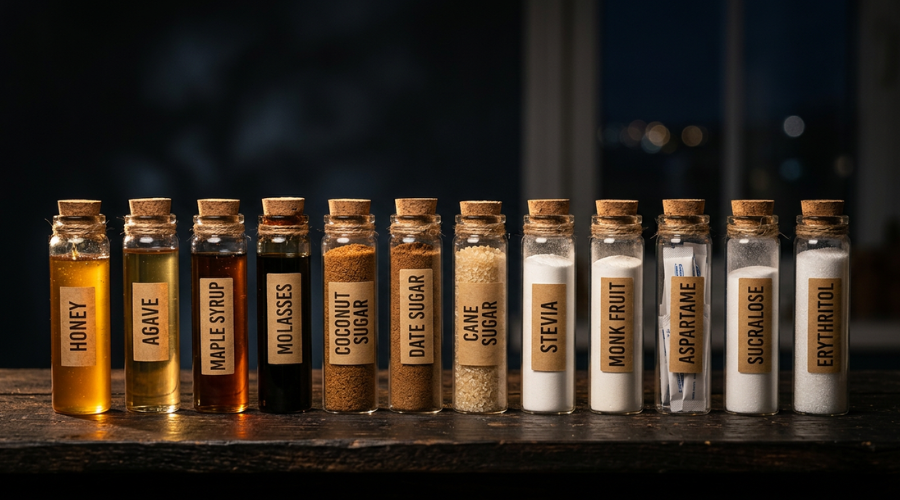
Sugar substitutes are substances that provide a sweet taste similar to sugar, but with distinct advantages such as fewer calories, no blood sugar spikes, or being safe for people with diabetes.
They can be divided into two main groups
- Artificial Sweeteners – produced through chemical processes
- Natural Sweeteners – extracted from plants or through biological processes
And there’s a third group that many people overlook: Sugar Alcohols (Polyols), which fall somewhere in between the two.
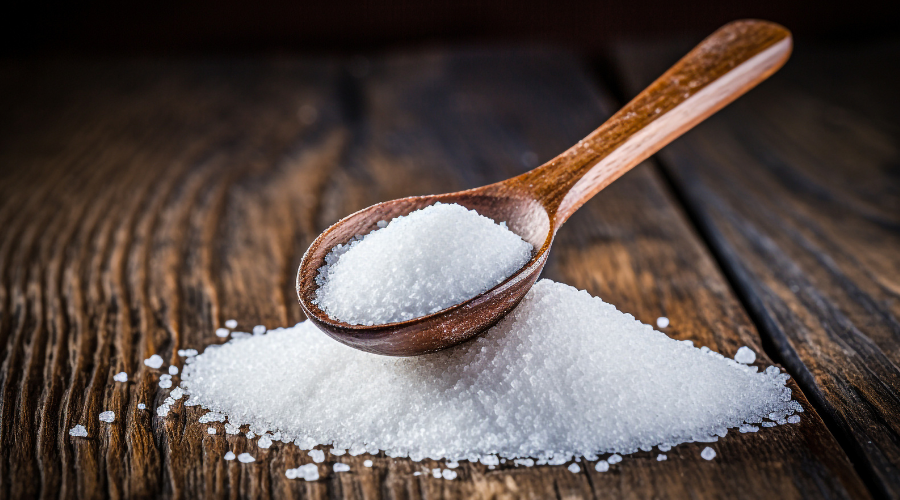
🧪 Artificial Sweeteners – Intensely Sweet, Zero Calories
- Sucralose
600 times sweeter than sugar. Heat-stable, making it perfect for baking. Found in Coke Zero and virtually every diet dessert brand out there.
- Acesulfame-K
200 times sweeter than sugar. Can taste slightly bitter in large amounts, so it’s almost always paired with sucralose to create a more well-rounded flavor.
- Aspartame
200 times sweeter, but heat-sensitive – absolutely not suitable for baking. Best used only in cold beverages. Anyone with PKU (phenylketonuria) must avoid it entirely.
- Saccharin
The world’s oldest sweetener, now over 140 years old. 300 – 400 times sweeter than sugar and the cheapest in its class, though it does leave a slight bitter aftertaste.
- Cyclamate
30 – 50 times sweeter than sugar, with a more natural taste than the others. Banned in the United States, but still permitted for use in Thailand.
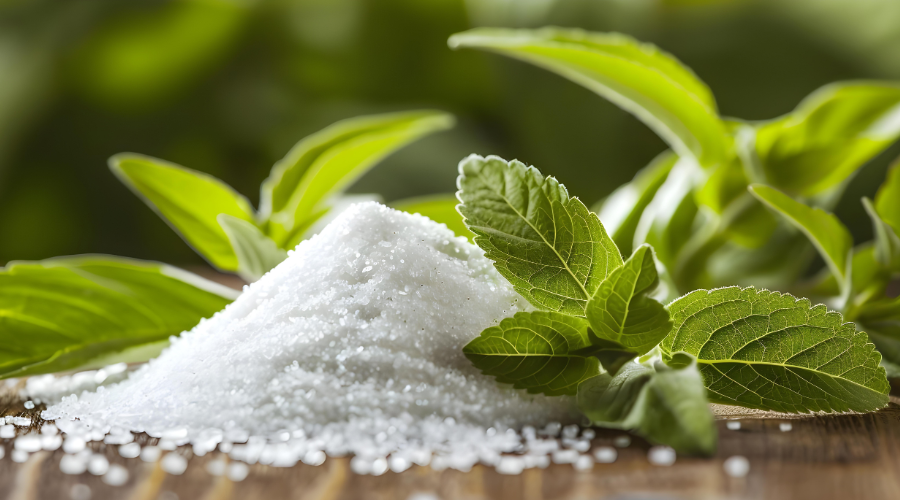
🌿 Natural Sweeteners
Plant-Derived, Perfect for the Clean Label Trend
- Stevia
Extracted from plant leaves. 200 – 400 times sweeter than sugar, zero calories, and doesn’t affect blood sugar levels. The rising star of the health industry – though it has a distinct bitter note if used in excess.
- Monk Fruit (Luo Han Guo)
Extracted from a Chinese fruit. 150 – 250 times sweeter than sugar, with a cleaner taste than stevia and no bitterness. However, it’s significantly more expensive and not yet approved in every country.
- Thaumatin
The sweetest substance in the world at 2,000 – 3,000 times sweeter than sugar – but it’s used more as a bitterness masker than as a sweetener in its own right.
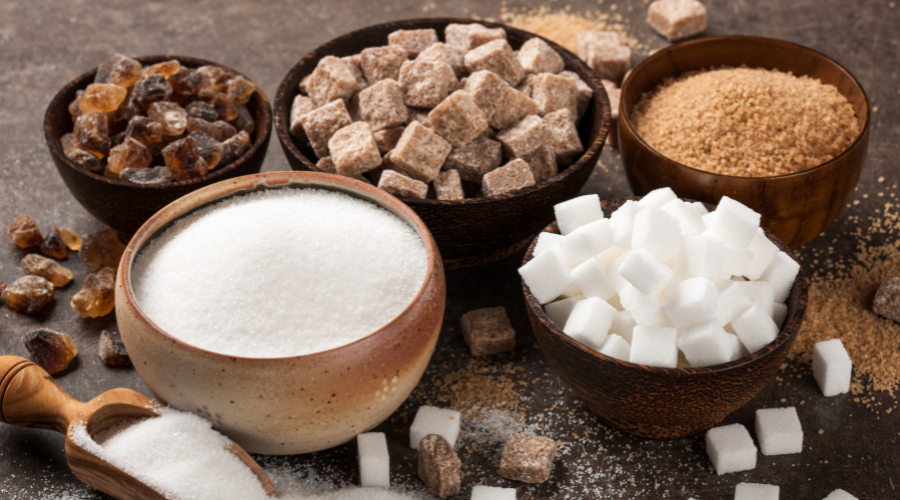
🍬 Sugar Alcohols Less Sweet, But More Forgiving in Larger Amounts
- Maltitol
75–90% as sweet as sugar the closest match of the group. Can be used in sugar-free chocolate in an almost 1:1 ratio, though consuming too much may cause diarrhea.
- Sorbitol
60% as sweet as sugar. Excels at retaining moisture, which is why it’s widely found in chewing gum and jams. Also helps extend product shelf life.
- Xylitol
Just as sweet as regular sugar, with a cool sensation in the mouth. Its standout quality: it doesn’t cause tooth decay, making it a staple in nearly every brand of chewing gum and toothpaste. ⚠️ Highly toxic to dogs.
- Erythritol
60–70% as sweet as sugar, with almost zero calories and the least likely of all polyols to cause digestive upset. Currently very popular in the keto and low-carb communities.
Sweetener Blending: The Technique Used by Leading Manufacturers
In practice, world-class food manufacturers rarely use a single sweetener on its own. Instead, they blend multiple sweeteners together for three key reasons:
- To cover each sweetener’s weaknesses for example, reducing stevia’s bitterness by combining it with erythritol
- To reduce costs by mixing a high-priced sweetener with a more affordable one
- To achieve a more natural-tasting flavor profile
The Synergistic Effect certain combinations produce a sweetness greater than the sum of their parts when used separately.
Popular Blend Examples:
- Sucralose + Acesulfame-K (diet beverages)
- Stevia + Erythritol (natural zero-calorie products)
- Maltitol + Sorbitol (sugar-free chocolate)
Need Guidance on Choosing the Right Sweetener for Your Formula?
Unify Chemical Co., Ltd. an importer and distributor of raw materials for the food industry with over 20 years of experience is ready to advise you with a team of specialists.
Unify Chemical Co., Ltd.
Tel: 02-123-3623
Facebook www.facebook.com/Unify Group
linkedin www.linkedin.com/Unify Group
Youtube www.youtube.com/Unify Group
Frequently Asked Questions (FAQ)
Q: Which type of sweetener is suitable for people with diabetes?
A: Sucralose, stevia, erythritol, and acesulfame-K as none of them significantly affect blood sugar levels. However, always consult a doctor or nutritionist first.
Q: Do polyols really cause diarrhea?
A: Yes, in some people and at certain amounts particularly sorbitol and maltitol. Erythritol has the least likelihood of causing this effect within the group.
Q: Are natural sweeteners truly better than artificial ones?
A: In terms of certified safety, both groups meet the same standards. The main difference lies in their origin and product positioning, which has more of an impact on marketing than on safety.